- Начало
- За нас
- Продукти
- проекти
- Новини
- Изпратете запитване
- Свържете се с нас

български
- English
- Español
- Português
- русский
- Français
- 日本語
- Deutsch
- tiếng Việt
- Italiano
- Nederlands
- ภาษาไทย
- Polski
- 한국어
- Svenska
- magyar
- Malay
- বাংলা ভাষার
- Dansk
- Suomi
- हिन्दी
- Pilipino
- Türkçe
- Gaeilge
- العربية
- Indonesia
- Norsk
- تمل
- český
- ελληνικά
- український
- Javanese
- فارسی
- தமிழ்
- తెలుగు
- नेपाली
- Burmese
- български
- ລາວ
- Latine
- Қазақша
- Euskal
- Azərbaycan
- Slovenský jazyk
- Македонски
- Lietuvos
- Eesti Keel
- Română
- Slovenski
- मराठी
- Srpski језик

What is a fully sealed distribution transformer
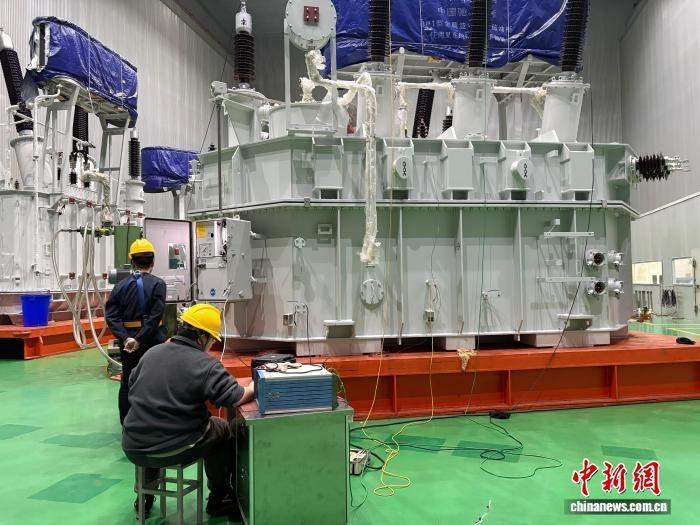
In modern distribution networks, whether in residential areas, commercial centers or industrial parks, you can see a kind of power equipment with a round shape and no traditional "big oil pillow" - fully sealed distribution transformers. With its unique sealed structure and maintenance-free characteristics, it is gradually replacing the traditional open oil-immersed transformer and becoming the mainstream choice for urban and rural power grid upgrades.
I. What is a fully sealed distribution transformer?
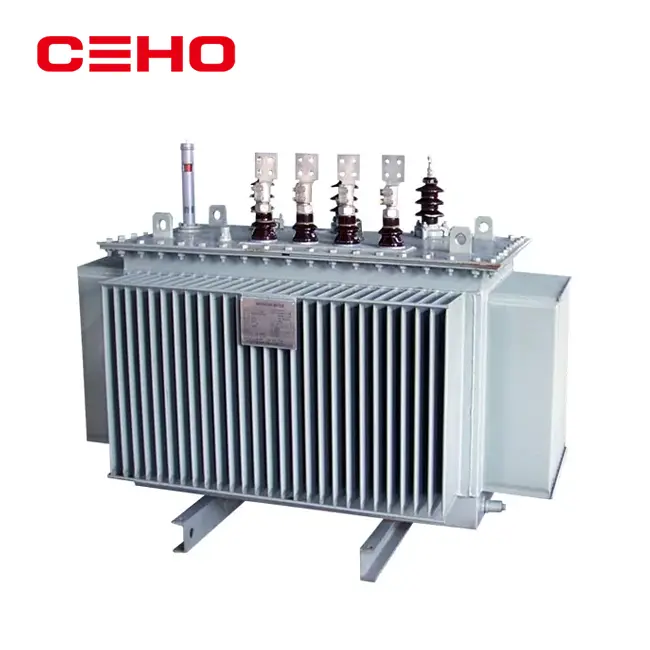
A fully sealed distribution transformer is an oil-immersed power transformer with a completely welded and sealed oil tank. The biggest appearance difference between it and traditional transformers is that the oil conservator (oil pillow) and moisture absorber (respirator) are eliminated. The box cover and box edge usually adopt a welded or permanently sealed structure to completely isolate the internal transformer oil from the atmosphere of the external environment.
It automatically compensates for the oil volume expansion and contraction caused by load changes and temperature rises and falls through the elastic expansion and contraction of the corrugated oil tank wall or expansion radiator, thereby completely blocking the intrusion of air and moisture while maintaining stable internal pressure.
II. Core technical principles
1. Sealing structure
• Fuel tank seal
The oil tank sealing of a fully sealed distribution transformer is one of its core technologies, which is mainly achieved through the use of high-performance sealing materials and advanced sealing processes. As the core load-bearing component of the transformer, the oil tank's sealing performance directly affects the equipment's protection capabilities and long-term operational reliability. Normally, the fuel tank is sealed using rubber gaskets or metal gaskets coupled with high-strength bolts to ensure that the inside of the fuel tank is completely isolated from the outside environment. This sealing method can not only effectively prevent moisture, dust and other corrosive media from entering the inside of the tank, but also alleviate to a certain extent the impact of internal pressure changes caused by the rise in transformer oil temperature on the tank structure. In addition, the selection of sealing materials is crucial, and its oil resistance, high temperature resistance and anti-aging properties need to be comprehensively considered. For example, nitrile rubber is widely used in the oil tank seal of fully sealed distribution transformers due to its excellent oil resistance and mechanical strength. Research shows that reasonable tank sealing design can significantly improve the protection level of the transformer and reduce the failure rate caused by external environmental factors.
• Sealing of connecting parts
In addition to the sealing of the oil tank, the sealing measures of each connecting part of the transformer also play a decisive role in the overall sealing performance. The connecting components of a fully sealed distribution transformer mainly include bushings, tap changers, cooling devices, etc. These components may cause sealing failure due to vibration, temperature changes and other factors during operation. For this reason, a multi-layer sealing structure combined with high-strength fasteners is usually used to ensure the sealing reliability of the connection part. For example, at the connection between the casing and the oil tank, an "O"-shaped sealing ring and a metal flange are often used to enhance the sealing effect. For movable parts such as tap changers, dynamic sealing design is required to adapt to their slight displacement during operation. In addition, the sealing material of the connecting parts must have good elasticity and corrosion resistance to cope with the complex operating environment. Studies have pointed out that scientific and reasonable sealing design of connecting parts can not only improve the overall sealing performance of the transformer, but also effectively reduce the probability of common faults such as oil leakage.
2. Insulation system
• Insulation material selection
The insulation system of a fully sealed distribution transformer is the core guarantee of its electrical performance, and the selection of insulation materials directly affects its insulation performance and operational reliability. In practical applications, commonly used insulation materials mainly include mineral oil-impregnated paper, epoxy resin, and polyester film. Each of these materials has its own characteristics and is suitable for different working scenarios. For example, mineral oil-impregnated paper is widely used in the insulation system of traditional distribution transformers due to its good insulation properties and thermal stability; while epoxy resin plays an important role in dry-type transformers due to its excellent mechanical strength and chemical corrosion resistance. For fully sealed distribution transformers, the selection of insulation materials must take into account the particularities of the working environment, such as humidity, temperature change range, and load conditions. In addition, as environmental protection requirements become increasingly stringent, new environmentally friendly insulation materials such as halogen-free and low-smoke halogen-free have gradually become a research hotspot. Research shows that rational selection of insulation materials can not only improve the insulation performance of the transformer, but also extend its service life and reduce maintenance costs.
• Insulation structure design
The design of the insulation structure is an important part of the insulation system of the fully sealed distribution transformer. Its reasonable layout and scientific design are directly related to the electrical performance and operational safety of the transformer. In practical applications, the insulation structure usually adopts a layered design to achieve efficient isolation between components with different potentials. For example, multiple layers of insulating paper are placed between the windings and the core to enhance the electrical insulation strength; at the same time, insulating partitions are used to separate the high-voltage windings and low-voltage windings to avoid the occurrence of partial discharge. In addition, the design of the insulation structure must also fully consider the thermal stress and mechanical stress that the transformer may face during operation to ensure its stability under complex working conditions. Research shows that optimizing the insulation structure design can not only improve the insulation performance of the transformer, but also effectively reduce the failure rate caused by insulation failure. Especially in high-altitude areas, due to the thin air leading to a decrease in electrical strength, the design of the insulation structure needs to be specifically adjusted to meet the operating requirements in special environments.
3. Heat dissipation mechanism
• Natural heat dissipation
The heat dissipation mechanism of a fully sealed distribution transformer is an important guarantee for its normal operation. The natural heat dissipation method is widely used in small and medium-sized transformers because of its simple and reliable characteristics. Natural heat dissipation mainly relies on thermal radiation and convection on the surface of the transformer tank to transfer the heat generated inside to the surrounding environment. Specifically, when the transformer is running, the heat generated by the windings and iron core is first transferred to the inner wall of the oil tank through heat conduction, and then dissipated to the surrounding environment through thermal radiation and air convection on the surface of the oil tank. In order to improve the natural heat dissipation efficiency, heat sinks or corrugated structures are usually provided on the surface of the fuel tank to increase the heat dissipation area and enhance the convection heat transfer effect. In addition, the design of the heat sink needs to comprehensively consider factors such as the thermal conductivity, shape coefficient, and layout of the material to achieve optimal heat dissipation performance. Research shows that reasonable natural heat dissipation design can not only ensure the safe operation of the transformer under rated load, but also effectively extend its service life.
• Forced cooling (if any)
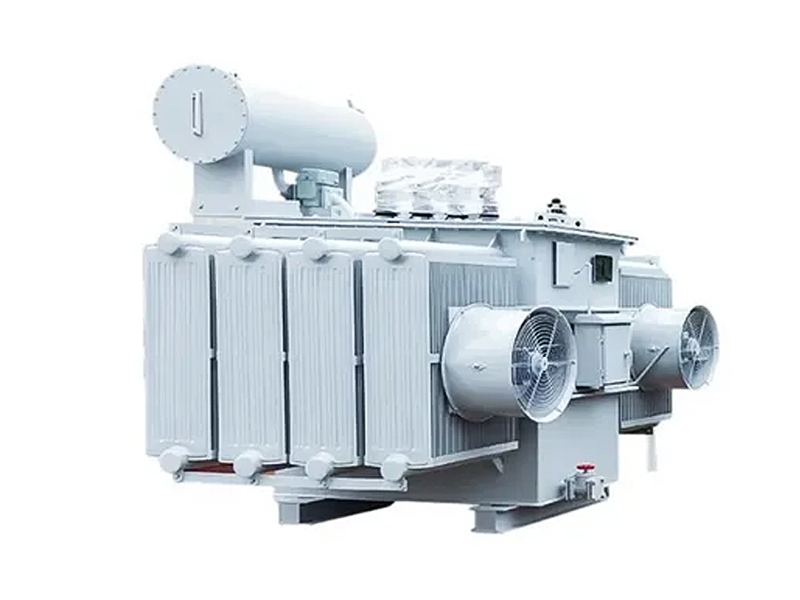
For fully sealed distribution transformers operating with large capacity or high load, natural heat dissipation alone may not be able to meet its heat dissipation needs. In this case, forced heat dissipation methods need to be introduced to enhance heat dissipation capabilities. Forced heat dissipation is usually achieved through auxiliary equipment such as fans and oil pumps, and the forced circulation of cooling media (such as air or transformer oil) is used to accelerate the transfer and dissipation of heat. For example, in some high-load application scenarios, air-cooled radiators can be used to drive air flow through fans to significantly improve heat dissipation efficiency. In extra-large transformers, forced oil circulation cooling systems are often used to transport hot oil to an external cooler through an oil pump for cooling and then flow back into the transformer. The advantage of the forced cooling method is its strong heat dissipation capacity and fast response speed, but it also has the disadvantages of high energy consumption and complicated maintenance. Therefore, in practical applications, reasonable selection must be made based on the capacity, operating environment and load characteristics of the transformer to achieve a balance between heat dissipation performance and economy.
III. Core advantages compared to traditional transformers
- Significantly extended life: Since oxygen and moisture cannot enter, the aging speed of insulating oil is reduced by more than 50%, the degradation of paper insulation materials is slowed down, and the design life can reach 20 to 30 years.
- True maintenance-free: During operation, there is no need for regular core inspections, no need to replace respirator desiccant, no need to replenish oil or filter oil, only external inspections are required, and operation and maintenance costs are reduced by more than 60%. It is especially suitable for installation in places with inconvenient transportation or unattended situations.
- High reliability and environmental adaptability: The protection level can reach IP67, and it can withstand dust, salt spray, humidity and coastal corrosive environments, and can even operate when immersed in water for a short time. At the same time, because there is no oil conservator, it occupies a smaller area and has higher mechanical strength against short circuits.
- Safety and environmental protection: The oil is isolated from the air, which reduces the risk of sludge and fire hazards caused by oil oxidation, and also prevents oil from polluting the external environment.
IV. Limitations and Notes
- The initial cost is slightly higher: The corrugated oil tank production line and elastic plate technology are complex, and the cost is about 15% to 20% higher than that of ordinary transformers of the same capacity, but it is often more cost-effective in terms of total life cycle cost (TCO).
- Maintenance is difficult: once weld leakage occurs, it is difficult to tighten it as easily as a bolt connection on site, and it usually needs to be returned to the factory for repair; and some models do not have an external transparent oil level gauge, so a probe rod is required to detect the oil level, and monitoring is not as intuitive as traditional ones.
- Inspection points before operation: Before installation and operation, be sure to remove the transportation fixed pressure plate (sealing pin) on the pressure release valve, otherwise the pressure cannot be released when the internal pressure is abnormal, which may cause the tank to deform.
V. Main application scenarios
Fully sealed distribution transformers are widely used in:
- Urban and residential distribution network: residential areas, commercial complexes, underground power distribution rooms (high moisture-proof requirements);
- Harsh environment areas: coastal salt spray areas, chemical industrial parks, mines, high altitude and high humidity areas;
- New energy and outer suburbs: photovoltaic/wind farms, rural power grid transformation, distribution transformers in mountainous areas (where maintenance is inconvenient);
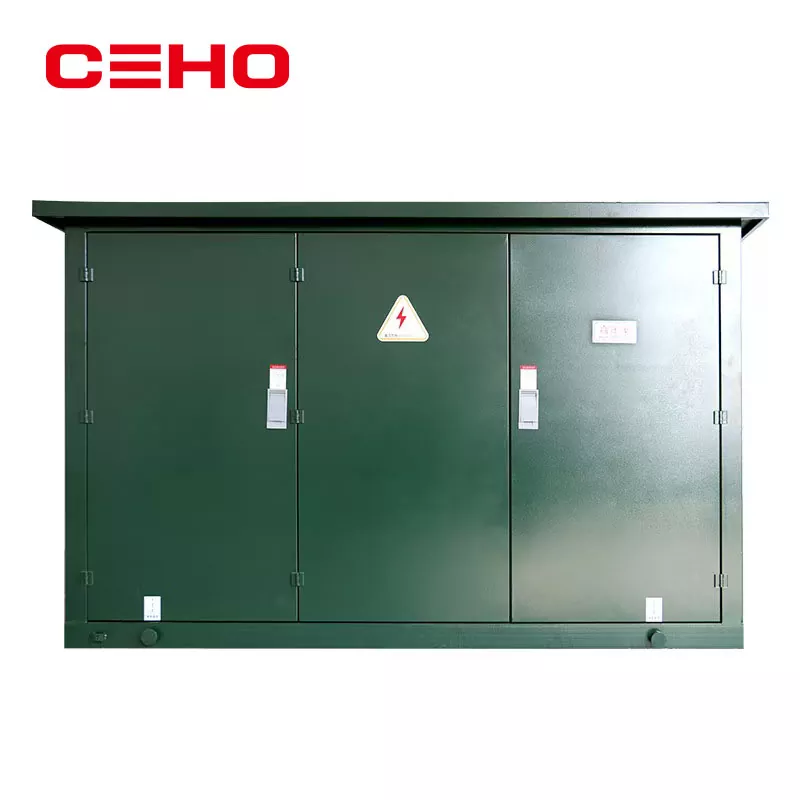
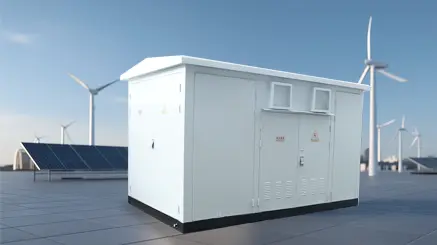
- Box-type substation: As a built-in core unit, it saves space and improves overall sealing.
With the popularization of S20, SH15 and other amorphous alloys and high-efficiency silicon steel sheet products, fully sealed distribution transformers are becoming a more stable and worry-free "invisible guardian" in the distribution network, driven by the dual drive of energy saving and consumption reduction ("dual carbon" background) and intelligent operation and maintenance.
Свързани новини
- Why can three-dimensional wound core transformer achieve low noise and energy saving?
- Why can't dry-type transformers be stored and transported upside down for a long time?
- What are the methods and steps for wiring dry-type transformers?
- What Makes the “Heart” of the Power System Beat Steadily?
- Why is my oil-immersed transformer overheating?
- How can the lifespan of distribution transformers be extended through routine maintenance?
Оставете ми съобщение
Нови продукти