- Начало
- За нас
- Продукти
- проекти
- Новини
- Изпратете запитване
- Свържете се с нас

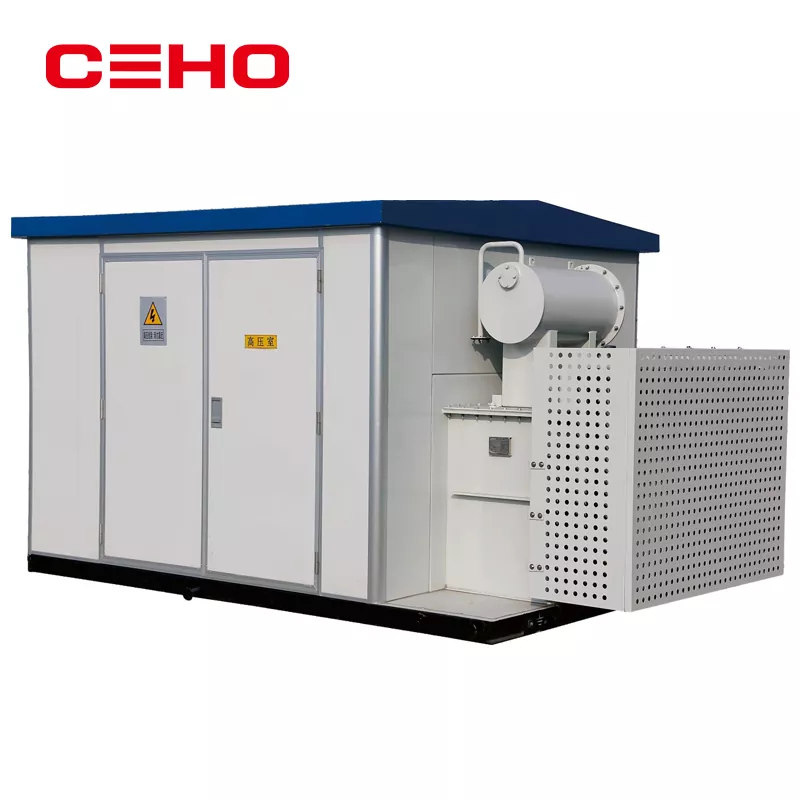
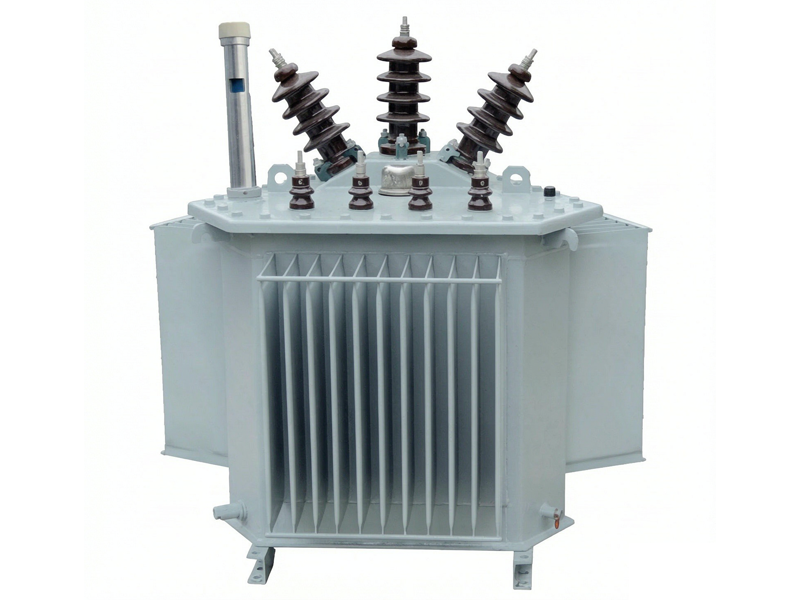
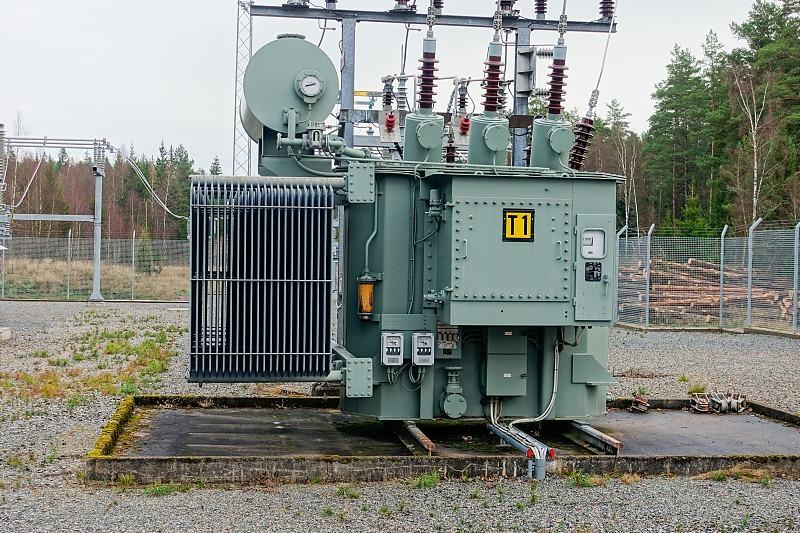
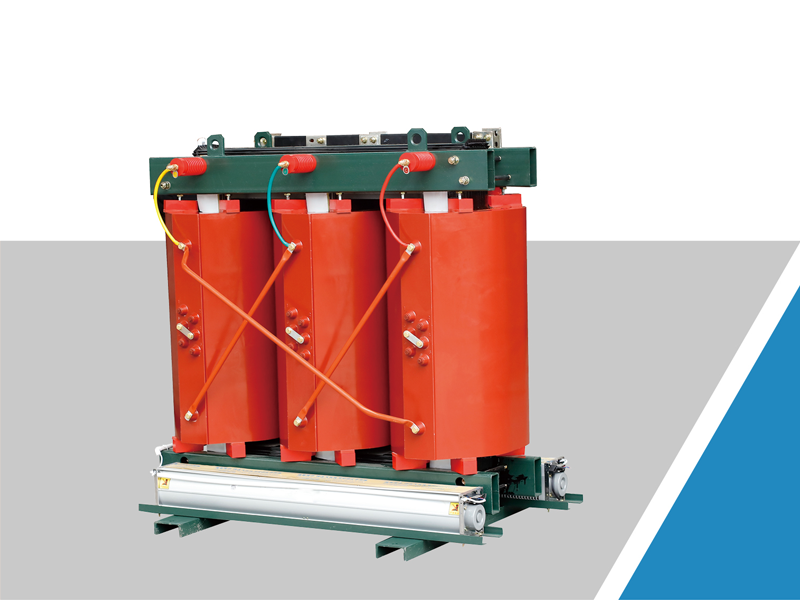
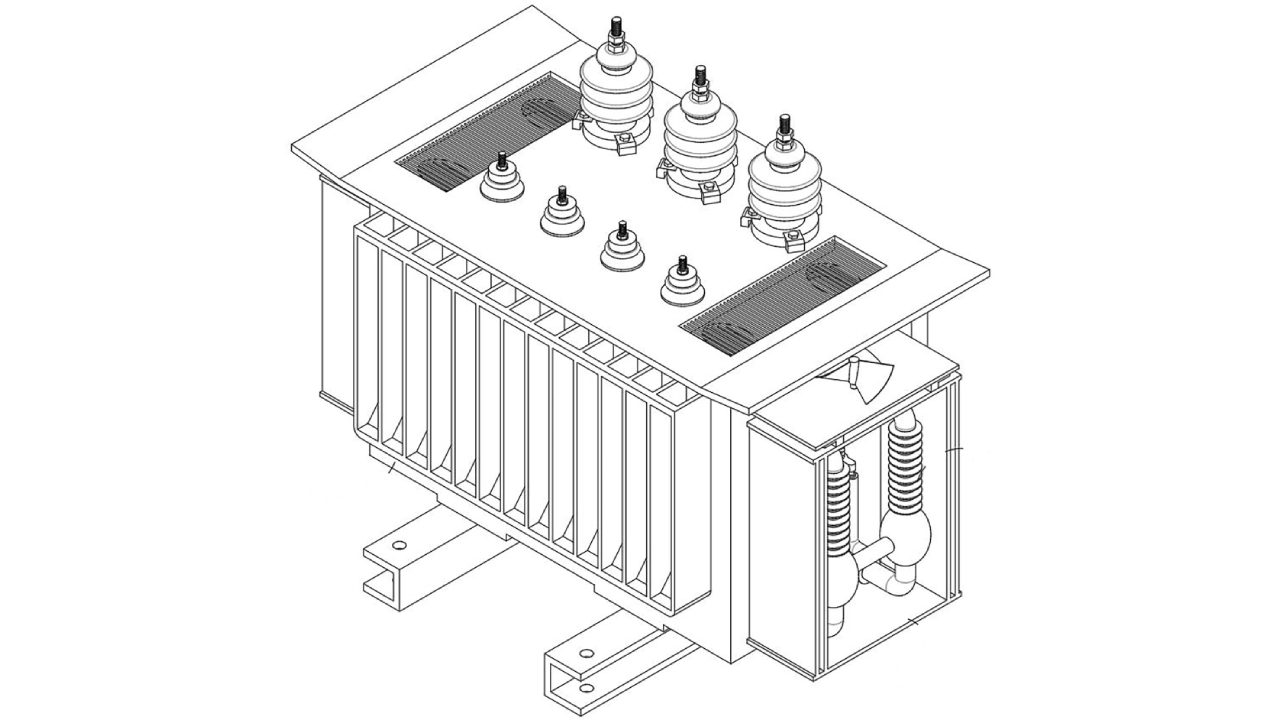
Distribution transformer is the "heart" of the distribution network, responsible for voltage conversion and power distribution, which is directly related to the safety and stability of power supply. Its design life is generally 20 to 30 years, but in actual operation, affected by various factors such as load, temperature, insulation, environment, protection, operation and maintenance, the actual life is often greatly shortened. This article systematically sorts out the key factors that affect the life of the transformer and provides practical daily maintenance methods to help extend the life of the equipment, reduce costs and increase efficiency.
I. Seven factors affecting the life of distribution transformers
1. Load operation: Overload and imbalance are the number one killers
Long-term overload, three-phase load imbalance, and severe load fluctuations will cause the winding temperature to rise rapidly. According to the “6-degree rule”: for every 6°C increase in hot spot temperature, the insulation life is halved. Long-term overloading will also cause winding fatigue and looseness, significantly shortening service life.
2. Thermal Aging: Temperature determines the “shelf life” of insulation
Temperature is a core factor in insulation aging. If the oil temperature exceeds the standard for a long time, it will cause embrittlement of the insulating paper, oxidation of the transformer oil, and decrease in dielectric properties, forming a vicious cycle of "overheating - deterioration - more severe overheating", which is the most common reason for early scrapping of transformers.
3. Insulation system: the “lifeline” of equipment
Moisture in the insulation, deterioration of oil quality, partial discharge, and loose sealing will quickly destroy the insulation strength and eventually lead to breakdown and short circuit. Moisture, impurities, and excessive acid value will cause a sharp decline in insulation performance.
4. External environment: harsh working conditions accelerate aging
High temperature, high humidity, salt spray, corrosive gas, dust, water accumulation, exposure to the sun, etc. will corrode the cabinet, block heat dissipation, reduce insulation, and cause the equipment to enter the aging period in advance.
5. Overvoltage and short circuit: irreversible damage caused by sudden impact
Lightning strikes, operating overvoltages, and system short circuits will generate huge electric fields and mechanical forces, causing winding deformation, insulation breakdown, and loose cores. A single impact may cause the transformer to be scrapped.
6. Manufacturing and installation defects: congenital defects affecting life-long
Uneven tightness of the windings, poor iron core workmanship, improper wiring, direct connection of copper and aluminum, uneven foundation, etc. will lead to local overheating, increased vibration, increased discharge, and long-term hidden dangers.
7. Operation and maintenance management: key controllable items for life extension
Without inspections, failure to test oil quality, failure to clean the cooling system, failure to verify protective devices, and failure to deal with defects, small problems will quickly evolve into major failures, directly shortening the life of the equipment.
II. Daily maintenance methods of distribution transformers (essential for operation and maintenance)
1. Daily appearance inspection (daily/weekly)
2. Oil level and oil quality maintenance (key points)
3. Temperature and load control
4. Insulation and wiring inspection
5. Lightning protection and protection device maintenance
6. Cooling system maintenance
7. Regular testing and ledger management
III. Summary
Distribution transformer life = design quality + operating conditions + environmental conditions + operation and maintenance level. Only by strictly controlling the load, controlling temperature rise, protecting insulation, improving the environment, improving lightning protection, and implementing standardized daily maintenance can we extend the life of the transformer to the maximum extent and improve the reliability and economic benefits of the distribution network.